5 Effective Shoulder Pain Relief Exercises!

Dealing with nagging shoulder pain can be both frustrating, but incorporating targeted exercises into your routine can make a significant difference.

Check out these five exercises:

1. Scapular Stabilizers Activation: 2 sets of 10 reps:

Begin by sitting or standing with your back straight. Retract your shoulder blades by gently squeezing them together. Hold for a few seconds, then release.n

2. Sleeper Stretch (Internal Rotation): 3 sets of 15 seconds hold per side:n

Lie on your side with the affected arm positioned at shoulder height and bent at the elbow. Gently press your forearm towards the bed or floor, feeling a stretch in the back of your shoulder.n

3. External Rotation: 2 sets of 12 reps per side:

Secure a resistance band to a sturdy anchor at waist height. Stand sideways, grasping the band with the hand opposite the anchor. Keep your elbow at a 90-degree angle, and rotate your arm outward against the resistance of the band. Slowly return to the starting position and repeat.

4. Banded Flexion: – 3 sets of 10 reps:

Stand with your feet shoulder-width apart and the resistance band anchored overhead. Hold the other end of the band with both hands and slowly raise your arms overhead, feeling a gentle stretch in the front of your shoulders.

5. Prone T’s and Y’s: – 2 sets of 12 reps each:

Lie face down on a flat surface with your arms extended to form a “T” shape (for T’s) or a “Y” shape (for Y’s). Lift your arms off the ground, engaging your upper back muscles. n

Remember, these exercises are most effective when performed with proper form and control. Start with the recommended repetitions and gradually increase as you become more comfortable.

If you experience persistent or severe shoulder pain, please reach out to us. We’re happy to help you regain your freedom to move!

Relieve Your Low Back Pain Today!

Low back pain affects many individuals, hindering their daily lives. Here is a targeted mobility routine to alleviate discomfort and enhance flexibility.

  • Cat-Cow Stretch: Start on all fours, round your back like a cat, then transition to an arched cow position. Repeat 8-10 times, focusing on spinal movement. This stretch reducestension and improves flexibility.
  • Cobra to Child’s Pose: Lie on your stomach, lift your upper body into a cobra pose, then transition to Child’s Pose. Alternate between the two for 8-10 repetitions, promoting spinal flexibility and soothing lower back muscles.
  • Lower Trunk Rotation: Lie on your back, lower both knees to one side, hold for 10-15 seconds, and switch sides. This exercise enhances lumbar spine mobility.
  • Quadratus Lumborum Stretch: Stand with feet shoulder-width apart, cross one arm over your head, and lean to the side. Hold for 15-20 seconds, then switch sides. This stretch targets the lower back muscles, reducing tightness.
  • Hamstring Stretch: Sit on a chair or bench, extend one leg forward, and reach towards your toes. Hold for 15-20 seconds, then switch legs. Stretching hamstrings alleviates lower back discomfort.
  • Hip Flexor Stretch: Kneel with one knee down, push your hips forward, and hold for 15-20 seconds. Repeat on the other side. This stretch releases tension in the hip flexors, relieving low back pain.
  • Incorporating WPT’s targeted mobility routine into your daily routine can relieve low back pain and improve overall well-being. Remember to perform exercises within your comfort range.
  • For chronic or severe pain, reach out to us. We’re here to help you regain your freedom to move!

Beat the Heat: Essential Tips for Running Safely This Summer

As summer approaches, running in the heat requires special considerations to stay safe and comfortable. Here are some key tips:

  • Hydration: Drink plenty of water throughout the day and carry water/electrolyte-enhanced drinks during your run.
  • Route and Timing: Choose shaded routes and try running during cooler times like early mornings or evenings.
  • Dress Smart: Wear lightweight, breathable, and moisture-wicking clothing and opt for light-colored and loose-fitting attire.
  • Skin Protection: Apply sunscreen and wear UV-protective sunglasses.
  • Pace Yourself: Adjust your pace to accommodate the heat. Take breaks and consider interval training.
  • Listen to Your Body: Be aware of heat-related illness symptoms. Stop running if you experience dizziness, nausea, or confusion.

With these essential tips, you can continue running in the heat safely and make the most of your summer workouts. Stay hydrated, choose the right attire, and listen to your body to have an enjoyable and healthy running season!

What does ASTYM stand for?

What does ASTYM stand for?

Move over foam rolling and IASTM techniques, because ASTYM is here to revolutionize soft tissue mobilization!

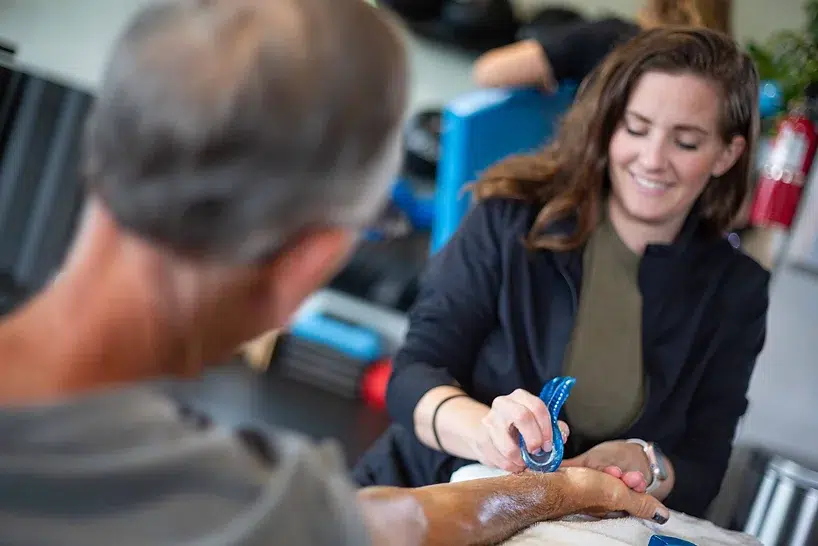
ASTYM stands for Augmented Soft Tissue Mobilization and it goes beyond friction techniques. By utilizing handheld instruments, ASTYM engages dysfunctional tissue, triggering a physiological response that promotes tissue resorption and self-healing. Unlike traditional methods, ASTYM is less painful and aims to realign tissue to its optimal state.n

ASTYM excels in treating tendinopathies like lateral epicondylitis, plantar fasciitis, Achilles tendonitis, and rotator cuff tendinopathy. It’s also effective for chronic conditions, frozen shoulder, and old scar tissue that hasn’t responded to traditional therapies. Plus, ASTYM works quickly, with visible improvements typically seen in just 3-4 treatments!

In a 2014 trial, ASTYM achieved a remarkable 78% resolution rate for tendinopathies compared to 40% with traditional therapy. A 2018 systematic review confirmed ASTYM’s benefits for post-total knee replacement patients, improving range of motion and reducing pain. The same review highlighted ASTYM’s positive outcomes for mastectomy and foot/ankle injury patients.n

If you’re grappling with chronic issues like those mentioned, ASTYM could be your game-changer! Through ASTYM treatment and a personalized plan involving strengthening, stretching, and neuromuscular re-education, we’ll guide your regenerated tissue to function optimally, getting you back to your passions in no time!n

Unlock the remarkable healing power of ASTYM today!

The Benefits of Doing a 2 Minute Dead Hang

A dead hang is a simple exercise where you hang from a pull-up bar or any other sturdy overhead structure. The dead hang has been gaining popularity in recent years, and for good reason. In this post, we’ll explore the background of the dead hang and the benefits of incorporating it into your exercise routine.

So What is a Dead Hang?

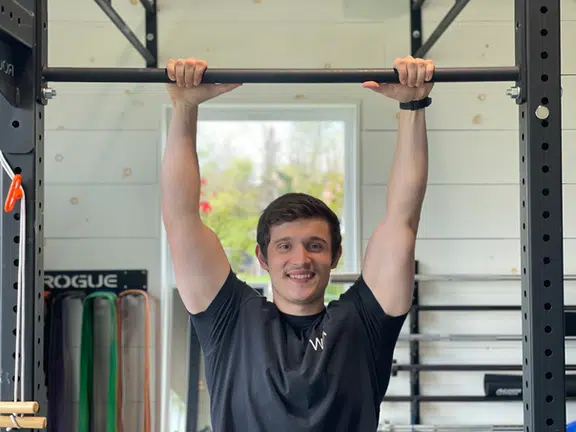
A dead hang is a basic exercise that involves hanging from a bar with your arms straight and your feet off the ground. The goal is to hold this position for as long as possible. The exercise is popular among gymnasts, rock climbers, and anyone looking to improve their grip strength and upper body endurance.n

Background of the Dead Hang

The dead hang has been used by gymnasts and athletes for decades to improve their grip strength and upper body endurance. It’s also used in rock climbing as a way to build finger and forearm strength. In recent years, the dead hang has become more popular as a standalone exercise.

Benefits of Doing a 2 Minute Dead Hang

  1. Improves Grip Strength – Your hands, fingers, and forearms are all working to support your body weight during the exercise. Over time, this can lead to improved grip strength, which can be beneficial in many areas of life, including sports, manual labor, and daily tasks.
  2. Increases Upper Body Endurance – The dead hang requires upper body strength and endurance, and with practice, you’ll be able to hold the position for longer periods of time.
  3. Reduces Risk of Injury – By improving your grip strength and upper body endurance, you’ll be better equipped to handle heavy lifting and other activities that could lead to injury. Plus, the exercise is low-impact, so it’s easy on your joints.
  4. Improves Posture – Hanging from a bar can help to elongate your spine and decompress your joints, which can be beneficial for those who spend a lot of time sitting or standing in one position.

In conclusion, the dead hang is a simple yet effective exercise that can offer numerous benefits, including improved grip strength, increased upper body endurance, reduced risk of injury, and improved posture. 2 minutes is a good goal to work to, but stating at 30 seconds and working your way up is a great way to build a healthy habit with a goal in mind!

So, why not give it a try and see for yourself how it can improve your overall fitness and well-being?

Unlikely Collaboration: How a PT and an English Teacher Joined Forces to Reach Their Goals!

Unlikely Collaboration: How a PT and an English Teacher Joined Forces to Reach Their Goals!

Macy, one of our skilled physical therapists, has teamed up with her patient Sarah, who happens to be an English teacher, to form a reading partnership. As part of Macy’s New Year’s resolution to read more books, the two have decided to read a book each month and discuss it during Sarah’s PT sessions.

What’s great about their arrangement is that it’s not just Macy who’s benefiting from the partnership. Sarah is suggesting books to Macy based on her background in English literature, which helps Macy expand her reading list beyond her usual preferences.

Meanwhile, Macy is sharing her physical therapy expertise with Sarah to help her achieve her physical goals.

Their partnership is not a formal book club, but rather a fun and collaborative way for them to support each other in their personal and professional goals.

We love to see our patients building connections and finding unique ways to support each other!

What is Migraine Aura?

Migraine aura is a neurological phenomenon that affects approximately one-third of individuals who experience migraines. Aura refers to a set of symptoms that can occur before or during a migraine headache. These symptoms are usually visual but can also affect other senses such as touch, hearing, and smell.

Migraine aura typically occurs within an hour before the onset of a migraine headache and can last for up to an hour. The symptoms of aura can be alarming and may include visual disturbances such as seeing flashing lights, blind spots, or zigzag lines. Other sensory symptoms may include numbness or tingling in the face or limbs, difficulty speaking, or a sense of confusion.

Migraine aura is believed to be caused by changes in the brain that occur during a migraine. These changes can affect the way that nerve cells in the brain communicate, leading to the sensory symptoms associated with aura.

FAQs About Migraine Aura:

Q: Are there any treatments for migraine aura?

A: While there is no cure for migraine aura, there are treatments available to help manage the symptoms. These may include medications such as pain relievers, anti-inflammatory drugs, and migraine-specific medications. Physical therapy can also be an effective way to manage migraine aura symptoms, which we will explore further below.n

Q: Can migraine aura occur without a headache?

A: Yes, it is possible to experience migraine aura without a headache. This is known as a “silent migraine” or “acephalgic migraine.” In these cases, individuals may experience the symptoms of aura without the headache pain.

Q: Are there any triggers that can cause migraine aura?

A: Some of the common triggers for migraines, such as stress, lack of sleep, hormonal changes, and certain foods, can also trigger migraine aura. Other triggers may include environmental factors such as bright lights, loud noises, or changes in altitude.

Q: How Physical Therapy Can Help with Migraine Aura?

A: Physical therapy can be an effective way to manage the symptoms of migraine aura. A physical therapist can work with individuals to identify trigger factors and develop strategies to manage them. In addition, physical therapy can provide exercises that can help improve posture and reduce muscle tension, which can help prevent migraine aura symptoms.

Manual therapy techniques such as massage and trigger point release can help to reduce muscle tension and improve blood flow, which can help prevent migraine aura symptoms. Furthermore, physical therapists can provide education on relaxation techniques and breathing exercises to help individuals manage stress, which can also be a trigger factor for migraine aura.

In conclusion, migraine aura can be a challenging and often distressing symptom of migraines. While there is no cure for migraine aura, physical therapy can be an effective way to manage the symptoms and improve overall quality of life. By working with a physical therapist, individuals can learn techniques to manage their migraine aura symptoms and reduce the frequency and intensity of their migraines.

Nausea and Migraines

Nausea is a common symptom of migraines, affecting approximately 80% of individuals who experience migraines. This sensation of queasiness or unease in the stomach can be debilitating, and often exacerbates the pain and discomfort associated with migraines.

The exact cause of nausea in migraines is not fully understood, but it is believed to be related to changes in the brain and nervous system that occur during a migraine. These changes can affect the way that the stomach and digestive system function, leading to the sensation of nausea.

Fortunately, there are several ways to manage the symptoms of nausea in migraines. Some medications, such as anti-nausea drugs and migraine-specific medications, can be effective in reducing the severity of nausea. In addition, lifestyle modifications such as avoiding trigger factors, staying hydrated, and getting enough sleep can help to prevent or reduce the symptoms of nausea.

Physical therapy can also be an effective way to manage the symptoms of nausea in migraines. Techniques such as relaxation exercises, breathing techniques, and manual therapy can help to reduce stress and tension in the body, which can contribute to nausea. Furthermore, physical therapy can help to improve posture and reduce muscle tension, which can also help to prevent or reduce the symptoms of nausea.

In conclusion, nausea is a common and often debilitating symptom of migraines. By working with a healthcare professional and utilizing strategies such as medications, lifestyle modifications, and physical therapy, individuals can manage the symptoms of nausea and improve their overall quality of life.

What Causes Migraines?

While the exact cause of migraines is not fully understood, there are several factors that can trigger a migraine attack. By identifying these trigger factors, you may be able to reduce the frequency and intensity of your migraines.

Here are some of the most common trigger factors for migraines:

  1. Stress: Emotional or physical stress can trigger migraines in some individuals.
  2. Sleep disturbances: Changes in sleep patterns, such as getting too much or too little sleep, can trigger migraines.
  3. Food and drink: Certain foods and drinks, such as alcohol, caffeine, and processed or aged foods, can trigger migraines in some people.
  4. Environmental factors: Bright lights, loud noises, and changes in weather or altitude can trigger migraines in some individuals.
  5. Medications: Certain medications, including some types of birth control and blood pressure medications, can trigger migraines in some people.
  6. Hormonal changes: Changes in hormone level can trigger migraines in some people.

Identifying trigger factors for migraines can be a helpful step in managing the condition. By keeping a migraine diary to track symptoms and possible triggers, you can identify patterns and make lifestyle modifications to reduce the frequency and severity of your migraines.

Treatment options such as medications and physical therapy can also be effective in managing the symptoms of migraines. It is important to consult with a healthcare professional to determine the best treatment plan for your individual needs.

Can Physical Therapy Actually Help My Migraines?

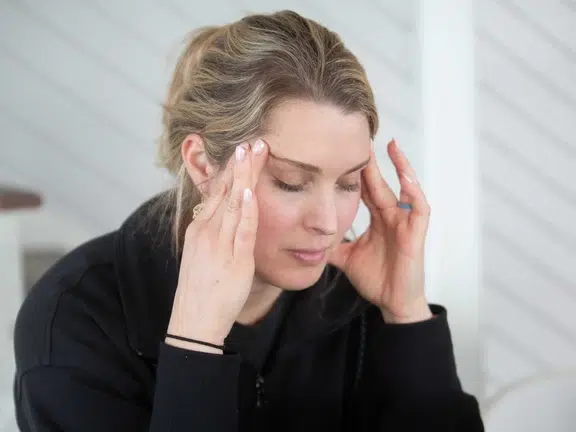
Migraines are a neurological condition that affects millions of people worldwide. Migraines can cause severe pain, visual disturbances, and other symptoms that can significantly impact an individual’s quality of life. While there are various treatments available, physical therapy is an effective approach that can help individuals manage migraines.

How does Physical Therapy Help?

  • Posture Correction: Poor posture can cause tension in the neck, shoulders, and upper back, which can trigger migraines. Physical therapy can help individuals improve their posture, which can reduce tension and prevent migraine triggers.n
  • Manual Therapy: Physical therapy can involve various manual therapies such as massage and trigger point release that can help relieve muscle tension, improve blood flow, and reduce the frequency of migraines.n
  • Exercise: Exercise is an effective way to reduce tension, stress, and anxiety, all of which can trigger migraines. Physical therapy can provide exercise programs that can help individuals to manage their migraines by improving their cardiovascular health and decreasing stress levels.n
  • Breathing Techniques: Breathing techniques, such as deep breathing and relaxation techniques, can help reduce stress, which can trigger migraines. Physical therapists can teach individuals techniques that can help manage stress and reduce the frequency of migraines.n
  • Education: Physical therapists can provide individuals with education on proper body mechanics, stress management techniques, and environmental modifications, which can reduce migraine triggers.

Physical therapy can be an essential component of a comprehensive migraine management plan. The therapist will work with the individual to develop a customized plan that addresses their specific needs and goals. The goal of physical therapy is to help individuals reduce the frequency and intensity of migraines and improve their overall quality of life.

In conclusion, migraines can be a debilitating condition, but physical therapy can provide a natural and effective way to manage the symptoms. By working with a physical therapist, individuals can learn how to manage their migraines and improve their overall health and wellbeing. If you are struggling with migraines, consider consulting with a physical therapist to develop a customized plan that can help you manage your symptoms and improve your quality of life.