Falling often? Learn How to Get Up Safely in a Way That Suits You!

In a previous blog post on WPT, Rachel Dziak PT, DPT, ATC talks about falls and ways to prevent them! This topic is more geared to if you have a fall or are a frequent faller how to get up safely, securely and decrease risk of further injury.

Below are videos of safe ways to get on and off the floor as well as multiple fall recovery techniques that suit you! This means there’s a technique if you have trouble getting onto your hands and knees; trouble with your shoulders or your balance! If this sounds like something that would help you please read and watch further!

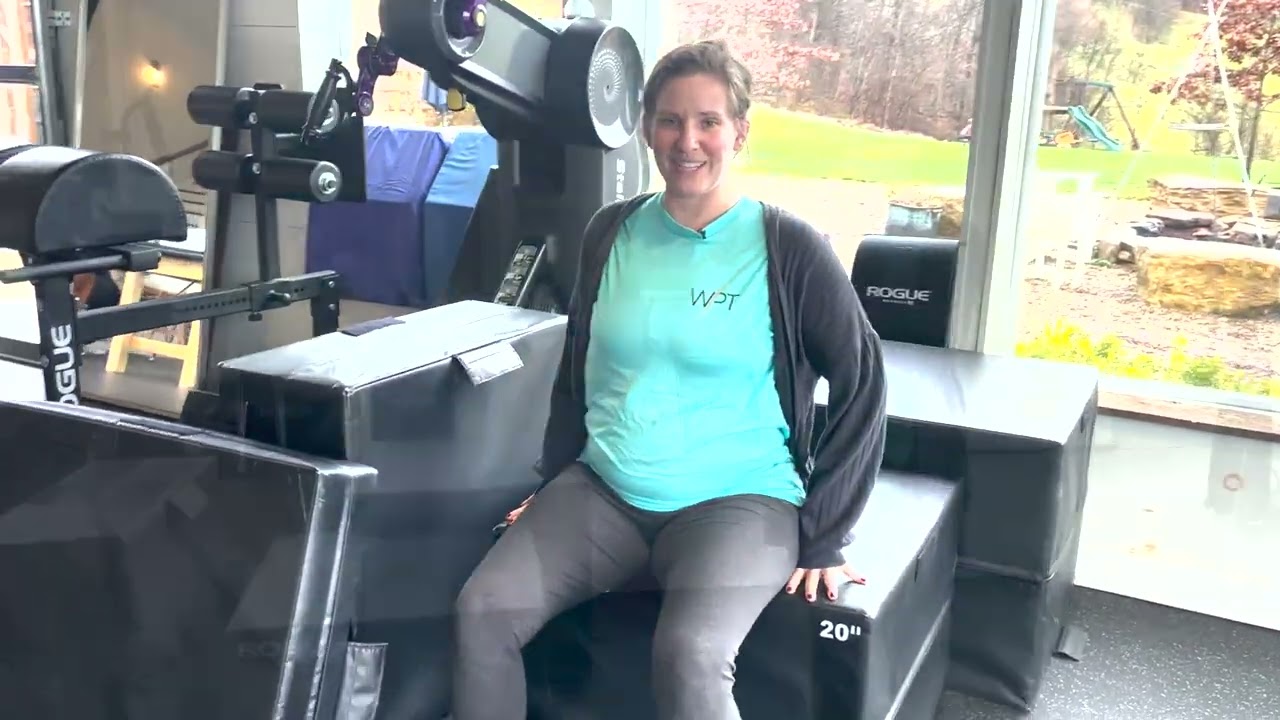
This first technique is if you feel pretty strong and typically don’t need anything to perform a floor to stand transfer. In the video you will see me, Sara Ryan PT, DPT, ATC getting down onto the floor using a safe technique and then moving through a safe technique to stand. Most of these techniques follow the same start as listed below:

  1. Check for injury: move your head, arms and legs around making sure there is no significant injury to your extremities, neck or head. In some cases injuries to your neck, head or extremities would benefit from you remaining still and calling for help versus trying to get up and causing further injury.
  2. Start to move through the motions of sitting up by bending your dominant leg, reaching up with the opposite arm and rolling to your side. Then you will use your top arm to support you and help you get into a side push up position. Next you will move into a hands and knees position.
  3. Standing! If you feel confident you can now move your dominant leg forward, in the video this is the right knee, brace your arms onto your leg, lift with your legs and stand.

Technique for those with weaker lower extremities or balance difficulties:

This technique follows the same steps 1. and 2. As listed above but for step 3. Instead of resting your hands on your knees to stand you want to use something stable such as a table, couch or chair to brace your upper extremities on to help you complete the transfer.

Technique for those who have a stronger upper body, weaker lower body or difficulty getting into lunge position.

In this technique step 1. And 2. Are the same you are then going to crawl to an object and move back onto your butt with a stable surface such as a table pushed against a couch or a couch. This technique you will reach your hands or elbows behind you which requires good shoulder mobility and strength. You will then tilt back utilizing a bridge technique and “shimmy” onto the couch until you have your sits bones to the point where you can shift to sit up

** Part two of this technique is if you do not have the shoulder mobility to strength to reach up onto the couch. If you are able to sit on a couch cushion, stable stack of books or a stool. This will break the technique up into two steps requiring you to move your shoulders back less and less shoulder strength to complete the transfer.

Technique for those who may have trouble bearing weight onto their knees or are unable to get their hips into the “lunge” position.

In this technique 1. And 2. Are the same but once you get to hands and knees you are going to straighten your legs and put all your weight into your feet and walk your hands back until you are able to shift all of your weight into your feet and stand up or walk up your legs to stand.


Pain as an Alarm System

As patients attending physical therapy, many of us are struggling with pain. Pain is actually a normal part of the human experience of living, however living every day with pain is NOT normal! If you are currently living every day in pain, then this story can help you to understand why.

I want you to imagine you are walking along, then you step on a rusty nail that punctures your foot. How do you know (without looking) that there is a nail in your foot? Let’s consider this, our body actually possesses the most unique alarm system in the world, our nervous system. The nervous system houses 45 miles of nerves within it, that’s pretty amazing!

When we step on the nail, the alarm (nervous system) is activated. A message fires from the foot into the nerves to the spinal cord and finally to the brain. What would your next steps be after stepping on the nail? Likely you would have the nail removed, the wound would be cleaned, bandaged then a tetanus shot would be administered. After we remove the nail, does the pain go away right away? No, of course not! Our alarm system wants to ensure that we are okay, so the pain decreases overtime!

If you are struggling with chronic pain, what happens to make the pain levels remain present even after healing occurs with time? We know that after an injury, 1 in 4 people will have the alarm system remain triggered moving into ‘high alert mode’. This high alert mode leaves the body more sensitive to stress including movement, activities, emotional stressors and even temperature. Tasks or movements that previously may not have activated the alarm system now do, and we experience pain with previously benign movements.

A question commonly asked is, ‘Why did my alarm system stay elevated in high alert mode?’. The answer is many things contribute to forming this elevated state including traumatic experiences upon initial injury such as a car accident or a slip on ice. Other things like financial strain, relationship issues, troubles at work and fear for the future can lead to the elevated alarm system. The good news is, there are techniques that can be done to restore the sensitivity of the nervous system. If this is something you are struggling with, reach out to your trusted physical therapist at WPT!

References:

Louw A, Zimney K, O’Hotto C, Hilton S. The clinical application of teaching people about pain. Physiotherapy Theory and Practice. Jul 2016;32(5):385-395.

Louw A, Puentedura E, Zimney K, Cox T, Rico D. The Clinical Implementation of Pain Neuroscience Education: A Survey Study. Physiotherapy Theory and Practice. 2017 – accepted for publication.

Proper Hydration

As temperatures lower one topic that usually gets on the back burner is hydration. Are you drinking enough to ensure you are replacing the electrolytes and nutrients we lose when we sweat? We’ve all heard we need to stay hydrated and need to drink water, but how much are we supposed to? Some people stick to 8 glasses of water, some stick to half of our body weight in ounces, and some people think if you wait until your thirsty, you’re already dehydrated. We’ve done some digging and found The U.S. National Academies of Sciences, Engineering, and Medicine recommends that daily amount of water should be about 15.5 cups (3.7 liters) of fluids a day for men and 11.5 cups (2.7 liters) of fluids a day for women.

Now, that seems like a very intimidating number but what we always fail to remember is how much water we are getting from the food we eat. A lot of fruits and vegetables are made up of so much water it can help contribute to our daily intake. Another food that can help us in these winter months is soups and stews since they contain a lot of liquid to replenish what our bodies use throughout the day. But not all foods and beverages are created equal. Some liquids that contain excessive caffeine and sugar which could be causing more harm than good. Keep an eye on ingredients because even drinks labeled ‘healthy’ or ‘sports’ drinks can contain a bunch of hidden sugar and calories.

Our bodies are made of about 50-70% of water so it’s really important to make sure we replace all that water we lose inorder to make sure our bodies continue to functional properly. The important thing to keep in mind when you are outside in cool weather is water can actually help our bodies regulate temperature. A couple other “cool” facts about water are: it will help us gets rid of toxins, lubricates and cushions our joints and discs, and protects sensitive tissues. If trying keep track of certain water amounts is too much a good way to track hydration level is to track your urine color. If you are properly hydrated it should be a colorless or light yellow color.

As with everything, do your own research and talk to your doctor about whats right for you. Your doctor or dietitian can help you determine the amount of water that’s right for you every day.

The Truth About Imaging Findings

If you are experiencing musculoskeletal issues, then it is pretty commonplace that you may have undergone imaging of the area you are having trouble with. Oftentimes, when patients are seen by a physician to first investigate musculoskeletal type pain they will then be referred for imaging of the region including x-ray, MRI, and CT imaging. The results of these types of tests can many times feel very scary or provoke feelings of anxiousness. However, the good news is changes in imaging do not always mean this is the direct cause of your pain or that you are broken! This concept may be a new one for many of you as we traditionally heavily rely on this type of imaging to give as answers as to why we are experiencing discomfort. Through reading this blog, my hope is to imaging findings for all our readers!

So, you may have recently undergone an MRI or x-ray of your spine, knee, hip or shoulder — the next step is typically receiving the results of this imaging. The findings read ‘degenerative disc disease’ or ‘partial rotator cuff tear’ or ‘joint degeneration’. This verbiage can be very frightening and worrisome for many individuals, we begin to think there is something wrong or damage without our bodies. The good news is, these findings are normal as we get into the 3rd, 4th, 5th, 6th decades of life and beyond! As we age, findings on pictures we take on the inside of our bodies often reflect normal age-related changes. Just as we begin to develop wrinkles on the skin and gray hair as we age, we also develop wrinkles on the inside! Do wrinkles or gray hair cause us pain? Of course not! These ‘degenerative changes’ should be reconceptualized as ‘wrinkles on the inside’. Don’t believe me yet? Let’s talk about some statistics.

Studies show that 50% of people aged 65+ who have NEVER experienced shoulder pain or issues demonstrate partial rotator cuff tears or tendinosis on imaging 1

37% of individuals aged 20 y/o with no pain demonstrate degenerative spine changes 2

84% of asymptomatic individuals at 80- y.o. demonstrate disc bulges on imaging2

As you can see the above listed studies are performed on individuals without any pain or issues with movement, however they still demonstrate changes upon imaging. These changes mentioned previously are normal and can be reimagined as wrinkles on the inside!

References:

Gill TK, Shanahan EM, Allison D, Alcorn D, Hill CL Int J Rheum Dis. 2014 Nov;17(8):863-71. Prevalence of abnormalities on shoulder MRI in symptomatic and asymptomatic older adults. Int J Rheum Dis. 2014 Nov;17(8):863-71

Brinjikji W, Luetmer PH, Comstock B, Bresnahan BW, Chen LE, Deyo RA, Halabi S, Turner JA, Avins AL, James K, Wald JT, Kallmes DF, Jarvik JG. Systematic literature review of imaging features of spinal degeneration in asymptomatic populations. AJNR Am J Neuroradiol. 2015 Apr;36(4):811-6. doi: 10.3174/ajnr.A4173. Epub 2014 Nov 27. PMID: 25430861; PMCID: PMC4464797.

Chronic Pain

Have you ever discovered a cut on your hand but not remember when you bumped it? The only way you knew that you had injured your hand was by visually seeing the cut. Experiencing an injury to the issue does not always result in pain. Think about what this means. Pain and tissue injury are not synonymous, you can have one without the other. Injuries heal, but pain lasts…why is this?

Think of yourself as a measuring cup. Fear, anxiety, constant stress, job issues, family concerns, previous failed treatments and persistent pain are all aspects of life that may fill this cup. Now picture this full cup with a fire is lit under it. What do you think happens? This fire could be a change in the weather, an hour of sitting in traffic or even just bumping your knee on the kitchen table. We will learn empty this cup.

This concept does not mean that your pain is not real. When the body experiences pain for a long time, the brain’s pain map begins to change.

Do you find it more difficult to focus or concentrate? This may be because the brain begins to associate pain with all areas of the brain. The brain is working overtime to attempt to process pain causing your body’s alarm system to be extra sensitive. The beautiful thing is our brain is plastic. The good news is, you’re in the right place, I believe we can help you.

I you believe you are experiencing chronic pain, reach out to us. We want to hear your story and help you get back

Reference:

Louw A., Pain Neuroscience Education. Session 18. 2020.

Parkinson’s Disease

I was diagnosed with Parkinson’s disease, what do I do?

If you have been diagnosed with Parkinson’s disease this means you have seen your neurologist and started to develop a plan for your future. Whether you have started on medication or not there are a lot of actions you can take with your physical activity that has been clinically proven to help slow the progression of Parkinson’s disease. We like to call this physical medicine, while it is a lot more work than taking a pill, it actually has been scientifically proven that specific exercise can help to slow the progression of Parkinson’s disease vs. just masking the symptoms with medication.

Now you know there is some action you can take. You need a plan! When you get a diagnosis like this you want to have someone who knows what they are doing in your corner. Luckily we do, and we are here to help you make that plan. At Wonsettler Physical Therapy we have therapists trained in the LSVT BIG technique. This is a high intensity amplitude based program that was specifically developed for people living with Parkinson’s disease. The program is 4 times a week for 4 weeks, not only do you perform high intensity exercises at the clinic but you repeat these exercises at home and continue them even when your journey with us is complete. This may sound daunting, but it is necessary in order to make a positive change in your physical health to help you battle this disease.

Your program will consist of a series of 7 exercises that challenge your balance, endurance, strength and awareness of your body. All things that are affected by Parkinson’s disease. This is followed by five specific exercises similar to what you do in your daily life, whether that is caring for your grandchildren, golfing or household chores like doing the dishes. It is our job to make these exercises individualized to your specific needs. This is followed by aerobic activity and tasks that incorporate multiple steps that you would encounter in your daily life.

Getting the diagnosis of Parkinson’s disease is something you never want or plan to hear.

Hopefully, after reading this you feel empowered knowing that there are actions you can take to help improve and maintain your mobility, and people here to help you do just that!

Introduction to ASTYM

What is ASTYM?

You may have heard of instrument assisted soft tissue mobilization (IASTM) techniques or foam rolling but ASTYM is different! ASTYM stands for Augmented Soft Tissue Mobilization. This differs from foam rolling and IASTM as it utilizes handheld instrumentation to engage dysfunctional tissue with the goal of stimulating a physiological response creating resorption of the dysfunctional tissue. What does that mean? Instead of “breaking up” that tissue with friction techniques we are teaching it to heal itself and realign to how it was prior to the dysfunction. This makes ASTYM a much less painful technique than traditional friction techniques.

Why ASTYM?

ASTYM works well with tendinopathies such as lateral epicondylitis, plantar fasciitis, achilles tendonitis and rotator cuff tendinopathy. ASTYM can also be used for other orthopedic conditions whether acute or chronic such as frozen shoulder. ASTYM also does well with “old” scar tissue or with chronic conditions that have not responded well to “traditional” therapies. ASTYM also works fast! Typically you will see improvements in 3-4 treatments!

In 2014, a randomized controlled trial ASTYM showed a 78% resolution of problems in comparison to 40% resolution in the group undergoing traditional therapy for the treatment of tendinopathies. A 2018 systematic review also showed that ASTYM can help patients after a total knee replacement to improve range of motion and decrease pain. In the same review ASTYM showed to improve ROM in patients following mastectomy and improved pain and stiffness in patients with foot and ankle injuries.

If you are someone who has suffered from these chronic issues ASTYM could be just what you need! With ASTYM treatment, followed by an individualized treatment plan involving strengthening, stretching and neuromuscular re-education to help teach the new regenerated tissue how we want it to work properly we can get you back to doing what you love!

Abdominal Surgeries

Abdominal surgeries impact the way your lumbopelvic system functions – including your low back, abdominal muscles, hips and pelvic floor. However, it is rare patients receive any post-operative treatment. Whether you’ve had a surgery a couple months ago or years ago, if you are experiencing dysfunction in this lumbopelvic system, you may be the perfect candidate for some physical therapy.

Your abdomen houses your vital organs, so this area needs to have a rich blood supply so that these organs can get the blood and nutrients needed. This is a wonderful thing because this area heal very well after surgery, however this may also lead to copious amounts of scar tissue.

Most people receiving abdominal surgeries do not receive preoperative education or post-operative care leading scars to be mismanaged or not managed at all. The appearance of a scar can be deceiving. You can think of a scar as an iceberg. On the surface the scar may look small and well healed, but under the surface the scar may contain deep adhesions wrapping around the organs and affecting the underlying fascia, skin or muscle. The research demonstrates that 50-100% of patients will develop adhesions after any abdominal/pelvic surgery. Scar tissue is a normal part of healing, however when there’s too much of it there can be limitations in mobility affecting function.

Scar tissue formation in the abdominal region can contribute to low back pain, pelvic pain, pelvic floor dysfunction (constipation, incontinence), muscular coordination issues.

This scar tissue formation does not have to be permanent! Some options include soft tissue mobilization, scar tissue massage and visceral mobilization which can all happen in the physical therapy setting. Surgery is also an option, but there is a risk of creating more scar tissue.

It’s not too late! Even if a scar is 20 years old, we can help.

References:

Aloiaet al. Reoperativesurgery: a critical risk factor for complications inadequately captured by operative reporting and coding of lysis adhesions. J Am CollSurgery. 2014: 219(1). 143-150.

Baker et al. A review of therapeutic ultrasound: biophysical effects. Physical Therapy. 2001: 81(7). 1351-1358.

Forbes. Crohn’s disease: rehabilitation after resection. Dig Dis. 2014: 32(4). 395-398.

Kannan P et al. Training Alone and in Combination With Biofeedback, Electrical Stimulation, or Both Compared to Control for Urinary Incontinence in Men Following Prostatectomy: Systematic Review and Meta-Analysis. Phys Ther2018 Nov; 98(11):932-945

Loos et al. The Pfannenstielincision as a source of chronic pain. ObstetGynecol. 3008: April 111(4);839-846

Falls! (And How To Prevent Them)

Falls are a normal part of life. I don’t think any of us expect to go through life without a couple of bumps along the road. However, as we age these “bumps” can seem more like mountains and barriers to us living our highest quality of life. Here at WPT, we are not only committed to improving the issues that brought you through the door, but to ensure these “bumps” don’t happen again.

The most common causes of falling typically involve something called a “functional fall”. A functional fall typically includes an obstacle in your way that would otherwise not seem so scary. This can include loose rugs, wet floors, our even our adorable cuddly pets. These innocent obstacles can be cause for a major injury. Our goal is to give you the tools to ensure a little slip doesn’t turn into a trip to the hospital or broken bone.

How is your balance? Do you think you can stand on 1 leg for a minute? 30 seconds? 10 seconds? Even 5 seconds? Balance is one of those things that we don’t test as often as we did when we were young. We used to slide across the ice and unstable surfaces. Where now we make an effort to walk around those. We may not ever purposefully get those ice-skates back on but we want you to gain the confidence in your legs and yourself!

Studies show that some things linked to falls involve muscle weakness, foot pain, poor footwear, deficits in balance and gait, decreased range of motion, and issues with blood pressure put you at risk for falling. Therefore the best way to prevent falls is to continue to stay physically active!

Our goal in improving muscle strength is to improve a stable base for extremities. This will help us move more efficiently, provide a stable base to move more effectively, and improve anticipatory and reactive strategies.

Habit Building Pt 2, Make it Easy

If you have been following WPT on our social media (linked below), then you know that we have been working through the book Atomic Habits by James Clear. This book has been helpful for us because it is helping us establish a framework for fostering existing habits and creating new habits in a healthy, impactful way.

We want to continue to demonstrate our commitment to our patients by having resources that can help you establish and work on your own goals. Resources like these will help institute the positive behavior changes that are necessary for improving your health and well-being.

In this book there are four outlines. These outlines are:

  1. It needs to be obvious.
  2. It needs to be easy.
  3. It needs to be attractive.
  4. It needs to be satisfying.

Today we are going to talk about making it easy. The best way to do this is by using something called “implementation intention”. To break it down, an implementation intention is an “if-then plan” with the ultimate objective of leading to better goal attainment. The way it does this is with habit and behavior modification. This tool is used to portion out when, where, and how this goal-directed behavior is going to happen.

The research for this topic speaks for itself. In 2001, researchers in Great Britain conducted a study with 248 people in an effort to build better exercise habits over a 14 day period. These test subjects were divided into three different groups. Group one was the control group, their task was to track their current exercise habits with no exterior motivation. The second group was called the “motivation group”. This group was not only asked to track their habits, but also read content that focused on the benefits of exercise as it relates to coronary heart disease. The third group had the same specifications as the second group, with one added element. The third group was asked to make an exercise plan for the next two weeks. They followed a specific template, “During the next week, I will partake in at least 20 minutes of vigorous exercise on [DAY] at [TIME] in [PLACE].”

The results were as follows. 38% of participants in group one exercised at least one time a week, 35% of participants in group two exercised at least one time a week, and 91% of participants in group three exercised at least one time a week. So what does this mean? Simply put, by writing down their intentions, group three had a framework for what their plan was and how they were going to do it. Because they manifested this goal, it was easier for them to make it happen.

By completing implementation intention, you can start to make changes in your life that can help you with your goal. Understanding whether something is serving you well is the first step. In order to help assist you in identifying your habits, we have free worksheets that you can download here.

Stay tuned for more habits content!

Source: https://jamesclear.com/implementation-intentions