A lot of folks are, including some of our very own WPT Physical Therapists.
BUT, the question is, is this a problem? Well, we’re here to answer that question for you! Reviewing the scientific literature, we find that in a long term prospective study there isn’t any statistically significant difference in a group of knuckle crackers vs. non-crackers as it relates to osteoarthritis.
So, there ya have it! If you’re concerned about that joint cracking habit, don’t be. In our opinion, you’re better off changing a habit that will have a more profound positive effect on your health. Something like a change in your diet, sleep patterns, or a WPT favorite – EXERCISE!
As promised in our last video, this is something you can do on your own to help facilitate a normal rhythm of your scapula (shoulder blade).
Oftentimes, your shoulder blade can be limited in its motion due to tight muscles, poor posture, or limited mobility of your thoracic spine. This specific exercise will help loosen up the muscles that limit your shoulder blade motion.
You can use a tennis ball, golf ball or lacrosse ball. Adjust the pressure on the ball by using more or less body weight.
* This will NOT feel amazing at first! It can be quite tender where that ball is hitting! However, it should not hurt your shoulder at all. If you do have actual pain (not a lot of tenderness), don’t just push through it and ignore it.
Please let us know how it’s going and if you need anything from us. We’re here for you!
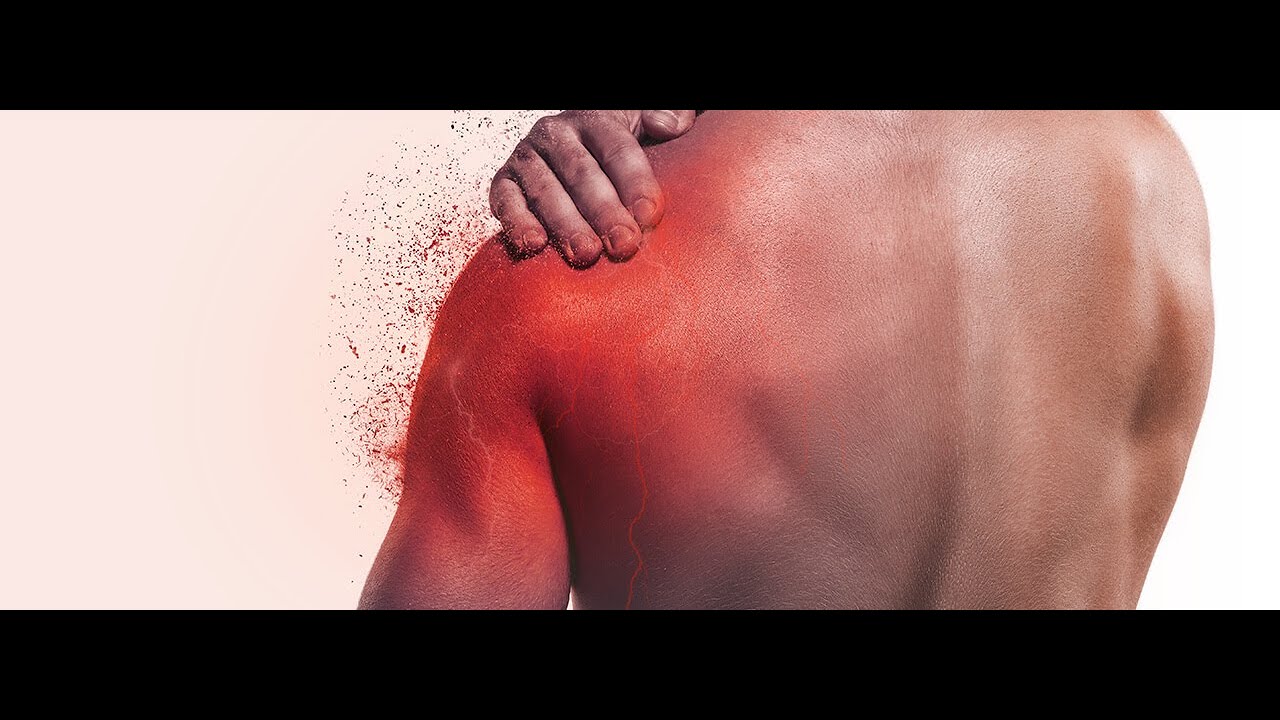
When folks think about what may be the reason as to why their shoulder is hurting, they aren’t likely thinking about their shoulder blade. BUT, our scapula (shoulder blade) motion is critical to having correct movement at the shoulder joint.
There are lots of ways to facilitate the shoulder blade moving well, and taping is one of them. Check out the time lapse of Charlie taping Lenny to help keep the correct postural position of the scapula.
It’s really common after a shoulder injury (or just an overuse issue like sitting at a desk all day) for your shoulder blade to become stiff and limited, and “stuck” in the wrong position, affecting what happens at the shoulder joint. If these mobility problems aren’t fixed, doing simple rotator cuff or shoulder strengthening exercises won’t cut it, and you’ll struggle with shoulder pain, especially when you lift and use your arm in the overhead position.
Next we’ll show you some things you can do at home to work on your shoulder blade motion!
Functional Dry Needling is a version of dry needling that focuses not on pain, but on movement. Evaluation and assessment of dysfunctional movement is imperative for the therapist to successfully affect movement. Treating the neuromuscular tissue that is not allowing or promoting proper movement is the goal of Functional Dry Needling. If properly applied, pain quickly subsides and corrective movements are more easily adopted. Pain is also addressed with Dry Needling and all the other tools we have, because we know that proper function will not happen when pain is present. Functional Dry Needling is a great tool to “open the door” to a new way of moving that promotes health and well being.
Functional Dry Needling incorporates both treatment at the site of Trigger Points, as well as treatment at the level of the spinal segment where the dysfunction is present. This is how to maximize the results, and ultimately improve someone’s ability to move.
What are the Benefits?
Increased Blood Flow
Decreased banding of the muscle
Changes in the chemical composition of the affected area, promoting healing.
Why Do Trigger Points Occur?
Energy Crisis Theory
Why Do We Insert Needles at the Spinal Segments?
Radiculopathic Model
The use of Dry Needling in the ways addressed above can really have a profound effect on someone’s ability to move and perform in life. BUT, it must be followed up with corrective exercises and new movement patterns, so the changes can occur for the long haul and not apply a temporary band-aid.
If you’re interested in learning more about how Dry Needling at Wonsettler Physical Therapy can help you regain your Freedom to Move, give us a call today!
We can’t tell you how many times we’ve heard “I didn’t know you did that” from patients we’ve seen in Physical Therapy.
It’s a common occurrence you’ve probably experienced. Maybe the first time you went to Rural King you said to yourself “I didn’t know I could get my fishing license here!”
Same for us as Physical Therapists. We often hear things like “I thought you mostly rehabbed someone after a knee surgery.” Or, “I thought that was only for old people that had a stroke or car accident and needed to learn how to walk correctly again.”
Truth is, Physical Therapists do a LOT of different things. Yes, we help people learn how to move effectively and efficiently again, and yes, we help get someone back to their sport after an injury or surgery.
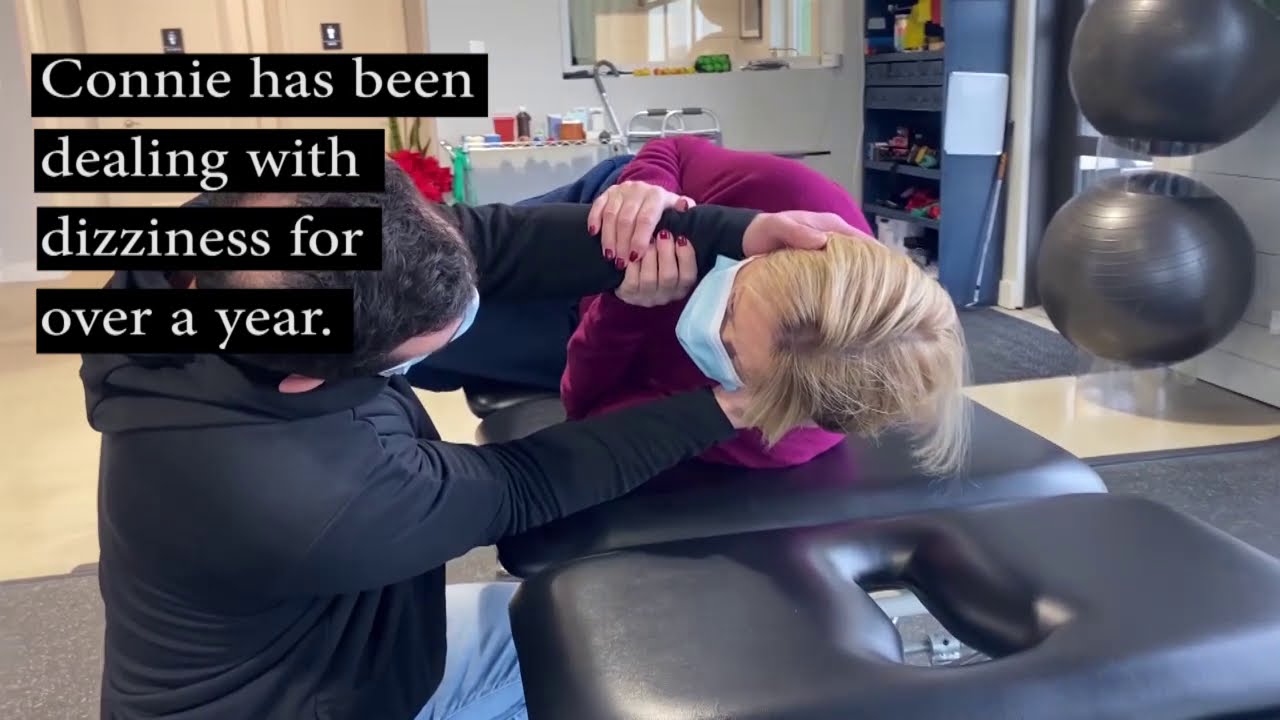
BUT, we also help folks that are feeling dizzy and they’re unsure as to why. It’s called Vestibular therapy, and it can be massively helpful to get rid of the dizziness and get back to life.
AND we can help someone that has a neurological issue like Parkinson’s or Stroke regain their mobility and independence.
AND we can help people overcome chronic low back and neck problems with a combination of mobilizations and corrective exercises that will SOLVE THE PROBLEM FOR GOOD!
AND we can help someone that’s experienced a loss of steadiness/balance and has potentially had falls, regaining their confidence and strength.
The most common problems we see with patients are nagging little aches and pains that don’t require surgery, but are certainly limiting someone’s freedom to do the activities they love. This is the worst, and the thing we really love helping someone overcome. If you’re dealing with little aches and pains, DON’T!
Call us and see how we can help you overcome what’s holding you back from living life the way you want, free to do the things you love!
As we previously stated here, our Beliefs (the “B”) influence the Consequence (the “C”) that manifests in our lives. Our reactions, our emotions, are not directly influenced by the Adversity (the “A”). Rather, our Beliefs are what’s responsible for our Consequences.
This pertains to how we interpret (how we THINK) about our physical issues as well.
Check out the video to learn more about how two different people can THINK differently about the SAME diagnosis, and how that thinking can manifest different trajectories in their dealing with that diagnosis.
It’s really difficult to cultivate the awareness of some of our deep seated thoughts, but this is necessary if we’re going to see our physical realities differently, and make steps toward a healthier version of our reality.
We challenge you to take 5-10 minutes and consider how some of your thoughts may be influencing your physical pain or immobility, and what you may be able to do to overcome those limiting BELIEFS!
We call it myofascial decompression. Both techniques refer to the process that results in those circular bruises you’ve seen on Michael Phelps and James Harrison, amongst many other athletes.
However, myofascial decompression isn’t just for athletes. The technique can be really effective for the treatment of myofascial issues in the general population as well.
Additionally, THERE IS ONE BIG DIFFERENCE BETWEEN CUPPING AND MYOFASCIAL DECOMPRESSION. When we perform myofascial decompression, we’re often incorporating active movements of the tissue, which can add a significant improvement in the function and length of the tissues.
The cups actually change the relationship of the muscles AND the fascia. So, what is fascia anyway? Fascia is a thin casing of connective tissue that surrounds and holds every organ, blood vessel, bone, nerve fiber and muscle in place. The tissue does more than provide internal structure; fascia has nerves that make it almost as sensitive as skin. When stressed, it tightens up. Although fascia looks like one sheet of tissue, it’s actually made up of multiple layers with liquid in between called hyaluronan. It’s designed to stretch as you move. But there are certain things that cause fascia to thicken and become sticky. When it dries up and tightens around muscles, it can limit mobility and cause painful knots to develop.
So, why myofascial decompression instead of massage, for example? Well, the big difference between both techniques, and the reason why the cupping can be more effective, is that we’re PULLING the tissues apart instead of compressing them. This, in theory, can help improve blood flow, tissue mobility, and reverse the bonding of the collagen fibers of the fascia, resulting in greater movement and faster recovery.
We use a multitude of therapies to address nerve, muscle and fascia mobility, and myofascial decompression is one of those techniques. If you’re curious about cupping, and want to give it a try to improve your mobility and decrease pain, let us know!
Who can relate? Imagine the circumstance where you run into Giant Eagle for some groceries, and after returning to the parking lot, you discover police and a tow truck surrounding your car. You come to find out that someone wasn’t paying attention, ran a stop sign, and hit your rear bumper. How would you feel? What emotions would you have?
We’re going to give you two different examples of a couple typical reactions after this type of circumstance.
Kelsey’s first reaction was “Thank goodness I wasn’t in the car, I coulda got hurt!” Then she’s a bit annoyed because realized she may be late for work. She calls her work just to let them know she may be late. She’s also curious as to whether she will have to pay her deductible to have the bumper fixed, and wonders if there’s any other damage to the vehicle so those damages can be addresses as well. Ultimately, she is grateful she wasn’t in the car when this person hit the vehicle, and though she doesn’t find it fun to have her car in the garage, it’s fixed in a couple days and life goes on as usual.
Charlie reacted a bit differently than Kelsey. He’s very upset. his first reaction is “why me? This type of thins happens to me all of the time when am I ever gonna catch a break?”
What’s different about these two scenarios? The same event occurred, but the emotions and reactions of these two folks were dramatically different. The accident didn’t cause Charlie to feel victimized, then quite angry – his beliefs and thoughts about the accident did. Here’s the key concept. Adversity comes to all of us. Sometimes in disproportionate amounts to some folds more than others. BUT, our Beliefs and Thoughts are what determines the Consequences, not the Adversity.
In this case, Charlie THOUGHT “why does this type of thing always happen to me?” He believed he was the victim. This let him to be very upset at the other person that made a mistake.
Now, this model can also apply to how we feel physically. Many times the THOUGHTS that we have can hinder us physically as well, especially during the recovery process.
Having a poor posture shares such a common link with neck pain, especially if you sit at a desk for a majority of the day! That rounded posture will alter the pull of the muscles that attach to the neck, and inevitably lead to increased tension and pain.
The most common cause of neck pain of this sort is soreness in the upper traps.
These 3 exercises will provide you with a great foundation to help your body attain the proper position throughout the day, cueing you to increase your positional awareness.
Additionally, they will help decrease the tension in your traps and other neck muscles, decreasing the chance you’ll experience pain while you bang away at the keyboard!
Give them a try – hopefully they’ll build within you the ability to become a posture Jedi like our very own Lenny Murgi!
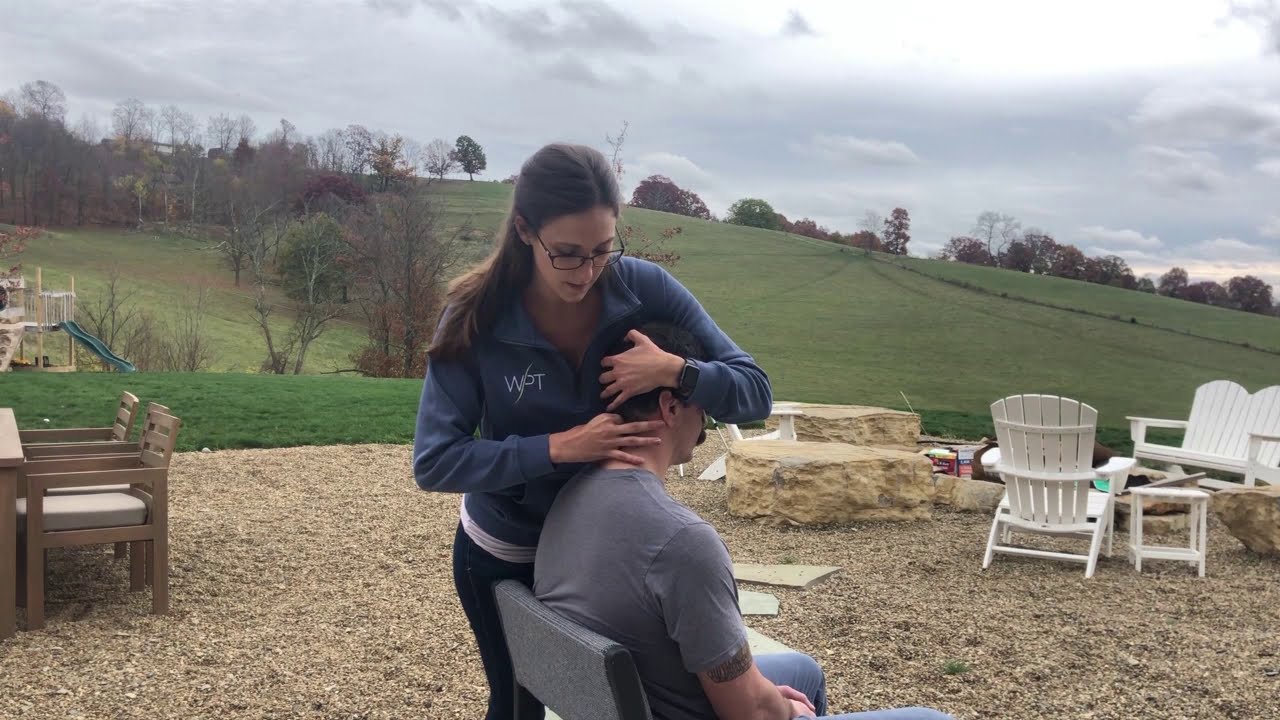
In this video, we show you just a couple of manual therapy interventions that we can utilize to improve your neck mobility and decrease pain.
However, the MOST CRITICAL component to having a successful outcome is to first properly identify what the actual cause of the pain is. How unhelpful it would be if your car mechanic didn’t run the proper diagnostics and instead told every one of his customers that the transmission needs replaced?
Here at WPT, we aren’t going to apply a cookie-cutter approach to your neck pain or any other issue you may be dealing with. Once we have properly identified the problem, we can then apply the correct treatment to help you get better, faster!
Stop struggling with neck pain and give us a call so we can identify what’s wrong, and assign the correct treatment to get you back to living free of pain!