Does Your Neck Move More Like an Owl or a Stump?

There are SO many things that can cause neck pain and limited mobility. Sometimes you may not have pain, but your neck isn’t moving as it should. Ever notice how it’s harder than it used to be turning your head while driving?

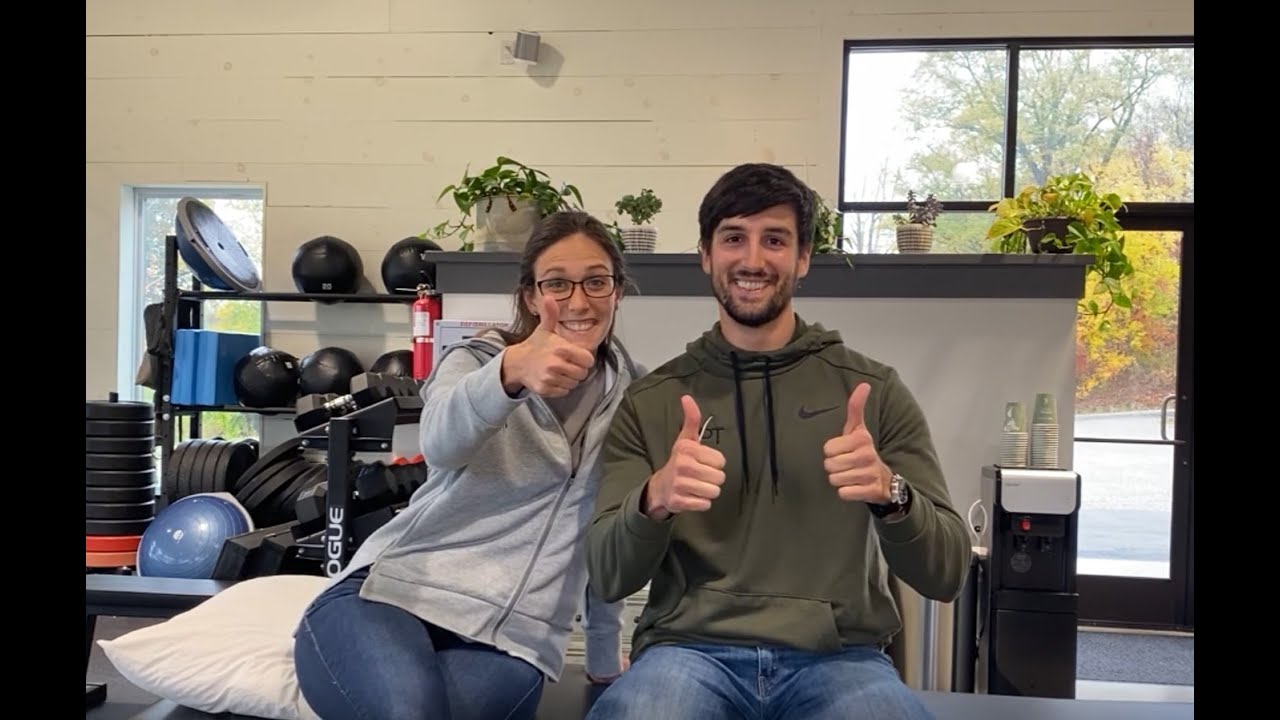
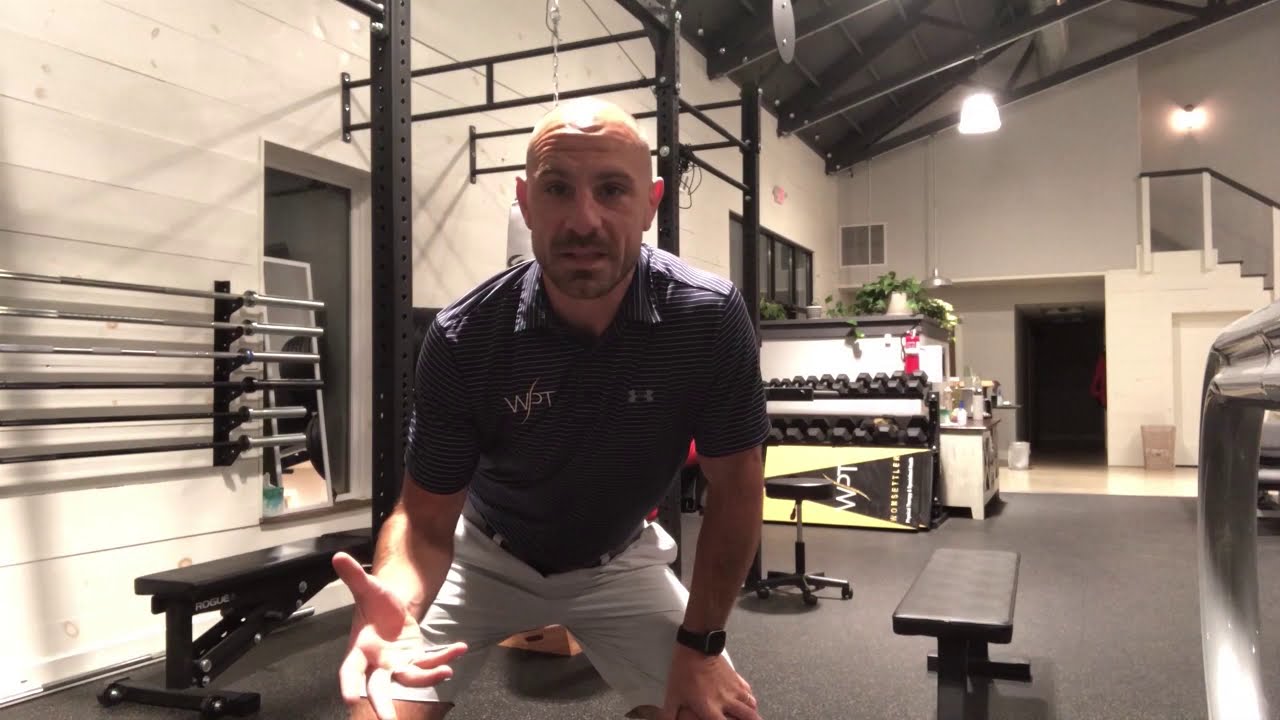
In this video, Kelsey describes ONE of the issues you may be facing if your neck is hurting or not moving as it should.

Your neck has joints that move in several directions. If these joints aren’t freely able to move, you’ll have a hard time turning your head in a variety of directions.

In this circumstance, Lenny had a facet joint problem on the left side of his neck.

Your issue may be muscular.

The approaches to treating them are different, but it’s easy for us to determine what the problem is and perform the right treatments that are going to get you back to OWL STATUS!

Perform a self-assessment – if you’re not able to bring your chin all the way to your chest, turn your head over each shoulder easily, equally, and without pain, or look upward fully, you shouldn’t wait to deal with it.

Addressing these limitations will pay dividends. The longer some imbalance persists, the harder it will be to overcome.

STAY MOBILE, STAY STRONG!

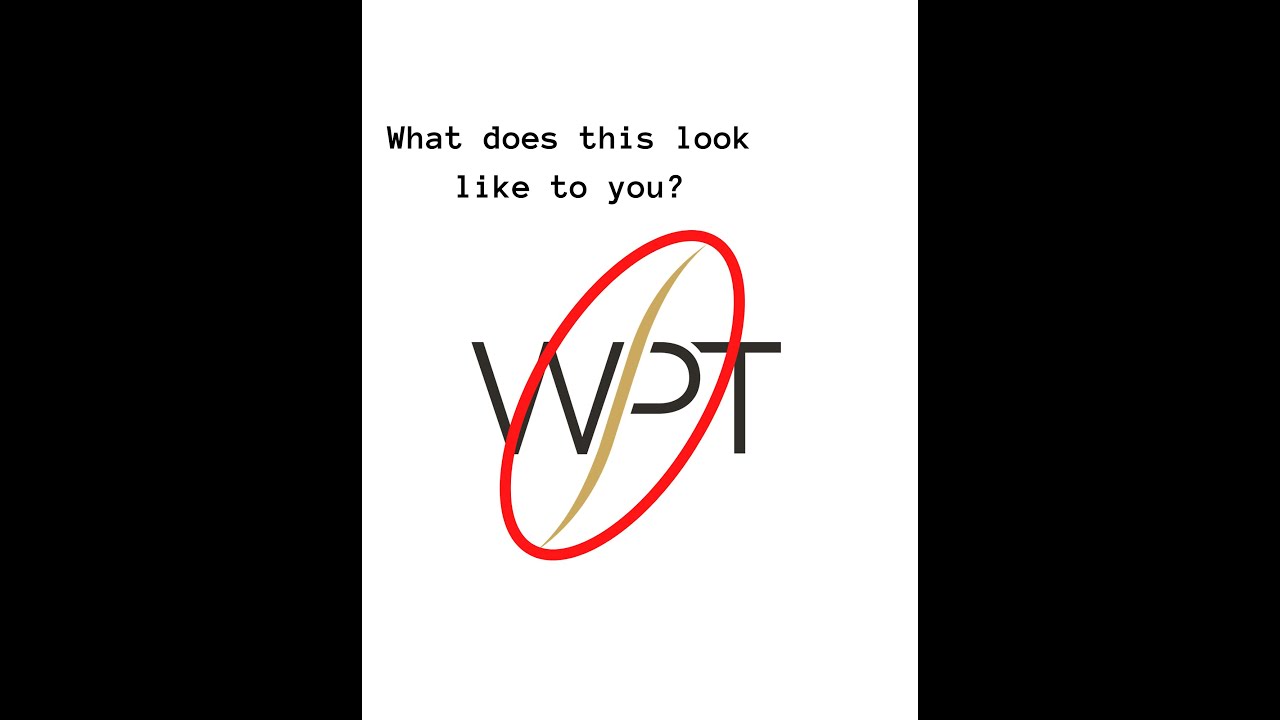
What’s the Squiggly Line in Our Logo?

Does this look like a spine to you? Does it look like a spaghetti noodle? Or do you see a curve representing exponential growth? That’s what we see here at WPT.

When we were creating the logo that would represent what we’re about, we chose this curve to indicate the way we want to come alongside someone to help them on their journey. We want them to experience exponential growth in their health!

What we’ve found is at best most people have flatlined in terms of their health, and most have begun a slow descent downwards to worsening health, and more pain and dysfunction.

Most other physical therapy companies are designed to make small changes in people’s health. Maybe they reverse their slow decline and help someone get back in the black, slowly climbing and hopefully reducing pain.

Well, WPT wants to help as many people as possible experience exponential changes to their health. We want to help you have a TRANSFORMATION!

We know that if you’re going to experience this, we need to spend a lot of time directly with you. We need to help you figure out where your big roadblocks are, and help you navigate them.

Are your emotions or your thinking hindering you from overcoming your issue?Is your sleep off, preventing you from getting full recovery and restoration of your body?

Problems need to be attacked from several angles in order to have maximum effectiveness. That’s what we strive to do with every one of our clients. Equip them to address their issues with as much knowledge and know-how in order to get to the other side of what’s holding you back.

If you or someone you know has been dealing with an issue in your body that’s preventing you from living the life you want, let us help you get to the other side. Call us today to get started on the journey to a better YOU!

Knowledge isn’t Power, Knowledge in Action is POWER!

So here is my challenge to you.

If you’ve been dealing with pain for a long time, set yourself a 30-day goal.

Obviously, this is specific to you. I can’t tell you what your goal should be, but it needs to be attainable, and you need to be able to measure and track the progress.

Here’s an example.

Say that right now you can only walk for 15 minutes in the grocery store before your back starts killing you and you need to either lean on the cart or sit down and take a break. If that’s the case, start walking DAILY for 10 or 12 minutes. Do this DAILY!! And maybe by the second week, you work your way up to walking 13 minutes. By the end of 30 days, your goal could be to walk 18 minutes without a flare-up of your back pain.

The thing is, this may not seem like much. But, if you’re able to do this for 4-6 months, think of how much progress you could make, and how much different your life could be.

This can be tedious, and it’s certainly hard work. But the payoff is worth it! You’re worth it!

DIMs and SIMs

If you’re going to have more control over your chronic pain, you need to become more familiar with DIMs and SIMs. This is essential because if you can increase the SIMs in your life, and at the same time decrease the DIMs, you’re so much more likely to decrease your pain and take back control of your life!

DIMs (Danger in Me) represent ANYTHING that is dangerous to your body tissues, your lifestyle, job, happiness, or your day to day function.

SIMs (Safety in Me) is just the opposite. They are ANYTHING that makes you feel like a more confident, stronger, happier, healthier version of yourself.

Examples of DIMs would be things like looking at an X-Ray or reading a radiology report without knowing what all of those big, scary words mean. Or thinking “this pain is going to last forever”, or “it’s just old age”. Other examples would be if you’re depressed or anxious, or even an out of date healthcare provider.

Examples of SIMs would be sayings like “there’s light at the end of the tunnel”, and “I understand what’s happening to me”. It could be going to a baseball game with a dear friend or a family member you love spending time with. Being happy and optimistic are SIMs. Another example would be a belief in your healthcare provider that they can layout a good path for recovery.

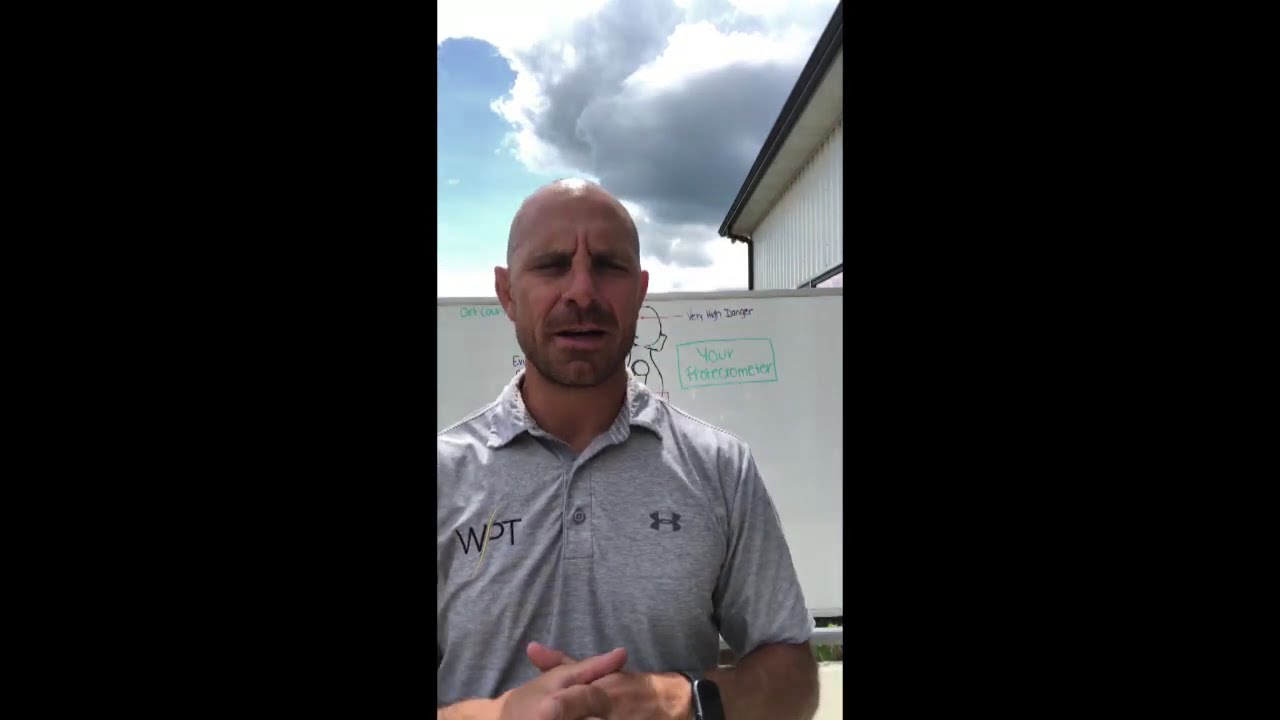
YOUR PROTECTOMETER!

Check out the image to get a sense of what moves your “Indicator” up and down. If you have chronic pain, you know this is true. Sometimes you don’t feel too bad. You’re able to move around and do most of what you need to do. Other times, you feel terrible and you’re in a lot of pain. It’s hard to make sense of why that happens. Here’s an explanation. Where there is more evidence of “Danger in Me” than there is evidence of “Safety in Me”, you’ll experience pain. Conversely, if you have much more evidence of “Safety in Me” than “Danger in Me”, you won’t have pain, or have much less pain.

In the next blog and video, we’re going to expand on the notion of DIMs and SIMs (Dangers in Me and Safety in Me), because the more you know how to increase the SIMs and decrease the DIMs, the more control you’ll have over your pain!

The CONTEXT of your PAIN

The pain you’re experiencing is 1000% of the time in your brain, and REALLY relies on CONTEXT.

An identical finger injury will cause more pain in a violinist than a dancer, because that type of injury is more of a threat to the violinist!

Pain exists to preserve and protect you. ALWAYS! Again, this is influenced by context largely, and does not always correlate to how much any of your tissues may be injured.

Which do you think would hurt more? Injuring your knee while scoring the winning touchdown in the Super Bowl, or experiencing the exact same injury from a fall at work? Here are the contexts that you should consider when thinking about YOUR pain.

The location, situation and current setting you find yourself in. Your beliefs, values and understanding and knowledge you bring with you.

As we work through these issues with our clients, they begin to really connect the dots how their stress levels will influence their pain, as well as what environment they may be in or who they’re with.

So, what should you do with this?

Take an inventory of your pain, and note when your pain goes up or down related to your stress, who you’re with, what doctors or others have told you about your issue, where you are, and what you’re thinking.

HABITS

????We always try to encourage our clients to make habit changes through what’s consistent with their nature. ie., if you’re a night owl and don’t typically wake up till 11, we don’t propose you get up at the crack of dawn to fit in your newly forming habits.

HOWEVER, we consistently see with our clients more success when they’re able to institute changes at the first part of their day.

They’re more likely to stick with it, and less distractions will derail their momentum. More “Life” happens as the day goes on.

So get up 20 minutes earlier than you typically do and make time for yourself and your newly forming habits.

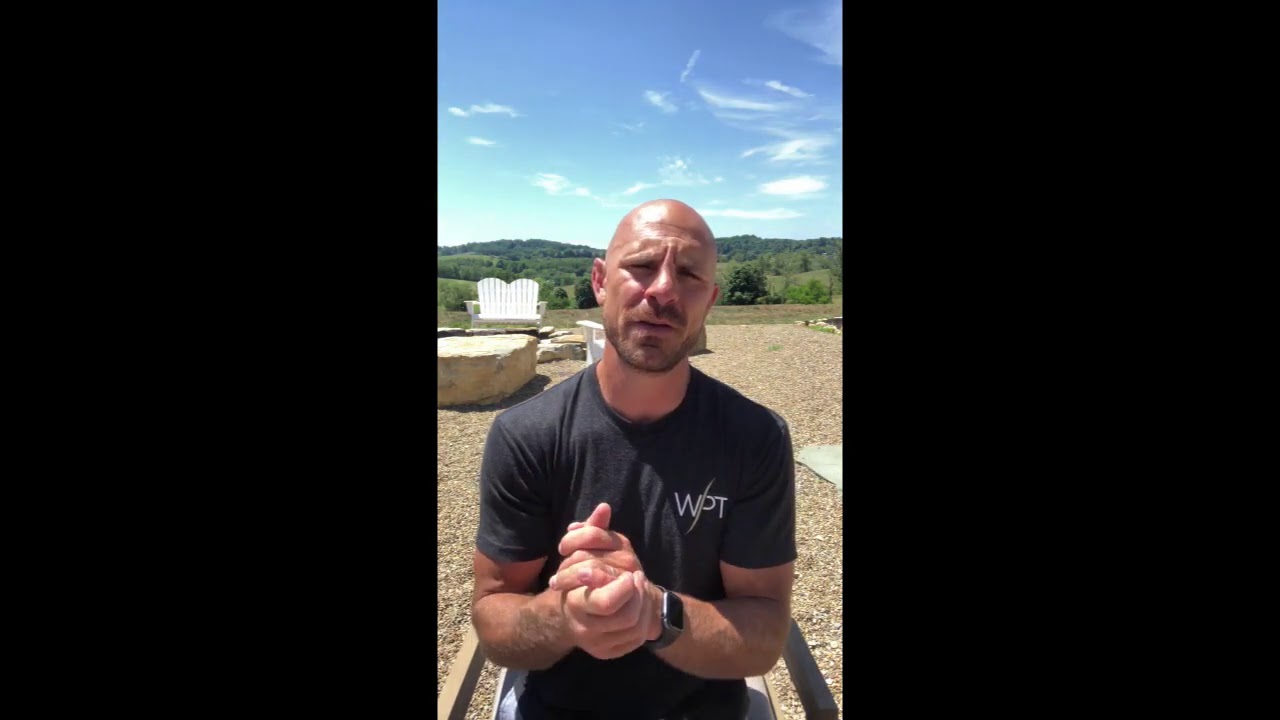
The future self will thank you, and you just may capture more of the moments like the one in the picture!

????☀️☁️

Take Action!

If you’re someone that’s been following our content recently you know that we’ve been covering chronic pain, and have focused heavily on helping you understand what pain is and what’s going on. This is ultra important because we know from the research that one of the core components in overcoming it is to know more about pain and how it uniquely pertains to your situation.

BUT, today is going to be different. I want to give you some action oriented tips you can take to overcome your pain.

It’s so common to feel hopeless when you’ve had pain for 6 months. Or 6 years! This is totally understandable. But, if you’re going to have some hope, you’re going to need to see some progress. You need to know you’re taking the right steps in doing something about it. The following 3 things will help you know you’re heading in the right direction:


  1. CONSISTENCY


  2. TRACKING


  3. MODEST INCREMENTAL PROGRESSION


Let’s say right now you know you can only walk for 5 minutes before your back or your knee flare up and you can’t do any more.

I have three challenges for you. First, walk 5 minutes EVERY DAY. Second, resolve to doing just 10% more each week. Third, WRITE IT DOWN!

Here’s the math – That would mean that you walk 5:30 seconds the following week. And the third week you would be walking about 6 minutes.

I’m hoping that this seems do-able for you, because it really should be.

If you can stay consistent, and track it by writing it down, you’ll gain some momentum and begin forming a HABIT. This is HUGE!

So, set yourself a modest goal, write it down, and hold yourself accountable.

Lions ???? Tigers ???? and Bears ????, Oh My!

When you’ve been experiencing pain for a long time, your adrenaline, muscles, GI, and other systems can be acting as though there is a lion in your house! 

What’s happening is that your stress response (which is totally normal and goes up and down throughout the day), stays elevated. Over time, this leads to a bunch of problems. 

Watch the video to learn more, because knowledge is power when it comes to overcoming long term pain! 

You got this! ????????