The Best Pain Killer for Killer Back Pain

Who doesn’t want to know the answer to this one?! After all, 80% of all adults will have dealt with low back pain at some point in their life. More than 25% of people have had low back pain (LBP) in the past 3 months.

Who out there also would prefer a quick fix? A one size fits all approach? The silver bullet for low back pain?? I know I’d sign up for it! The difficult reality is, there is no magic pill for low back pain.

Part of the reason why low back pain is so prevalent is because it’s so complex. It can be resultant from:

– Issues with tight muscles

– Issues with weak muscles

– Asymmetric muscle strength

– Limited joint mobility

– Excessive joint mobility

– Irritated or pinched nerves

– Poor lifting mechanics

– Poor daily posture

– Bad ergonomics at work

– ETC, ETC

Well then, what’s a person to do?? We certainly aren’t going to accept that it’s just part of life and there’s nothing to be done about it. We don’t see it that way, and we think you shouldn’t either.

Though there’s no silver bullet, one of the most consistently beneficial “medicines” for treating low back pain (acute or chronic) is MOVEMENT. This is widely studied and very well understood in the scientific literature. Despite the research, it sometimes seems counterintuitive. A lot of the time movement was the way in which your low back pain came on in the first place. And it’s quite common that after the initial injury you’re likely to have increased pain with some movements.

Here’s why movement is so essential. Movement:

– Produces anti-inflammatory molecules that can help calm things down

– Releases “feel good” hormones from your brain that, well, help you feel good

– Can prevent muscle spasms and increased tension

– Increases blood flow and can “flush” out the inflammatory cells in an area

– Can help regulate healthy sleep patterns, ultimately promoting quicker healing

– Can help restore stability to your spine by recruiting proper muscles and decreasing stress on – the wrong tissues in your back

You may now be asking, “What movement is the right movement?” Great question! The answer is more ambiguous, because, again, people’s bodies and situations are dramatically different. You need a guide. Someone that understands how to DIAGNOSE properly, to get at the root causes of your low back pain. At WPT, we aim to dig deep and get at the root of your issue, so we can properly treat the underlying impairments and prescribe the right movements FOR YOU!

If you’re unable to see us, or want to work through your low back pain alone, we respect that. The key in this situation is to be as active as possible with movements that don’t dramatically flare up your symptoms. Look for patterns. Sometimes walking feels great, and for other people it can be very painful and not well tolerated. If walking is bad, but riding a bike seems fine, try exercises and movement that put your spine into a little flexion (slight bend in your low back).

After you identify patterns, progressively push the limits, SAFELY! The more you push it, and your back does not flare up, the quicker things will resolve and the sooner you’ll get back to kicking butt and taking charge again!!
Five Common Treatments for Low Back Pain

Low back pain is the most commonly treated ailment at WPT. However, there are lots of ways to go about positively affecting someone’s back pain. Today we’re going to look at 5 common interventions that can decrease your pain, improve your mobility, and ultimately improve the quality of your life!

This is going to focus on the most typical Physical Therapy interventions. Surprise to no one, I’m biased toward conservative PT management! Whodathunkit. However, the research is really clear on this one too. Conservative, active management is the most successful way to deal with nagging back pain.

So what can you do to help your back pain?

1. Mobility work/stretching. Getting your spine and hips more mobile, and your low back and hip muscles long is a great way to decrease pain. Tight muscles often have less blood flow, increased stagnant acid (a byproduct of cellular respiration), and less than optimal communication with our brains via our nerves (which is where all pain is interpreted and produced). Therefore, taking your muscles and joints to end ranges will positively affect blood flow, flush the acids that need flushing, and restore better understanding between the muscles and your noggin.

2. Core and pelvic muscle stabilization. Having your core braced well with good recruitment and strong stabilizer muscles will support your spine, and is a big part of effective treatment. Those muscles can certainly shut down after an injury or the onset of pain, and it’s really hard work facilitating the retraining of those muscles to do the jobs they were designed to do. However, it’s critical work and often one of the most important predictors for long term success.

3. Functional strength training. Getting stronger for life’s tasks will reduce the strain on your low back and make you more capable and less at risk for further injury or pain. Things hurt less when daily life isn’t as hard as the work you’re putting into your gym or home program routine!

4. Manual therapy. Mobilizing specific spinal segments can be a very good way to hit the reset button and restore our bodies natural state, opening up the door for the proper movement patterns, recruitment and coordination of the correct muscles.

5. Cardiovascular exercise. Making your lungs and heart work will release all of the good chemicals that will positively influence your pain experience and lead to decreased pain.

The reality is that it’s very likely that treatment for your low back pain is going to involve many of the interventions we’ve discussed. Most of the time there are multiple factors that contribute to back pain. It’s really unusual for your back pain to be a result of a single joint in your back being rotated, or one single tight muscle. Our aim is to assure that we’re addressing all of the factors that are influencing your back to be in pain, and maximize the chances that you’re going to leave here feeling like a million bucks, not just temporarily, but for GOOD!

Does Your Back Hurt With COVID?

Back pain happens due to a variety of reasons — sometimes known and sometimes not. With the recent COVID pandemic, you might wonder if your back pain has something to do with this new virus. Is it a cause for concern? What should you know?

In this article, we’re going to examine the research and find out if COVID and back pain are, in fact, linked. We’ll also explore other potential causes of back pain, helping you get to the bottom of your aches and pains once and for all.

COVID & Back Pain: What Does the Research Say?

Scientific studies suggest that pain, including myalgia, back pain, and headaches, is one of the most common early signs of COVID. A 2020 study reported that 43.6% of participants experienced back pain and 33.1% of participants experienced low back pain, again, making pain one of the biggest complaints of those diagnosed with COVID.

So, why does this happen? Experts theorize that similar to other viruses, this pain is caused by your body’s heightened immune response.

Infections, like COVID, stimulate cytokines, pro-inflammatory immune molecules. In turn, cytokines lead to the formation of prostaglandins, which send pain signals to your brain. Consequently, you might not only feel under the weather but also struggle to move your body without aches and pains.

Interestingly, COVID back pain doesn’t necessarily mimic muscular back pain. While muscular back pain is often described as a sharp or stabbing pain, COVID back pain is frequently referred to as a “deep pain.” Additionally, with COVID, pain relief isn’t noticeable when changing your posture or stretching your body, which may help you differentiate between the two.

Other Potential Causes of Back Pain

Many times, back pain isn’t due to COVID but, rather, from another cause. Your back pain might even arise when you contract the flu or another viral illness.

Other causes of back pain, also, include:

  • Muscle or ligament strains

  • A herniated disc

  • Arthritis

  • Osteoporosis

  • Abnormal curvature of the spine

In fact, back pain can happen due to everyday activities, such as lifting something the wrong way or holding a poor posture for a long duration. Simply put, back pain doesn’t mean you have COVID. If you’re concerned and your back pain is accompanied by other symptoms, such as shortness of breath, coughing, fatigue, loss of taste or smell, or brain fog, it’s a good idea to get a COVID test to double-check and avoid spreading the virus.

How Physical Therapy Helps Back Pain

If you suspect you have COVID, again, it’s important to get tested and limit your contact with others. However, if you suspect your back pain is due to another cause, such as a muscular strain, physical therapy can help you get back on track.

At your initial appointment, your physical therapist diagnoses your back pain and comes up with an appropriate treatment plan. This treatment plan often includes manual therapy techniques, prescribed core strengthening exercises, prescribed stretching exercises, massage, and other modalities, guiding you back toward optimal health.

Finally, get to the bottom of your pain, and pave your way toward a better, happier, and healthier life. Contact us today to get started.

WPT Principles Ep.3 | Perspective

Some folks love him, some folks hate him. No matter how you feel about Tiger, or if you don’t give a damn about him at all, no one can deny how much of a competitor he is. The guy loves to compete. There’s no way you can achieve what he has without it.

One thing that isn’t necessary to be a great competitor in sports in a healthy PERSPECTIVE. Some of the most accomplished athletes and competitors in the world have been solely focused on one thing at the expense of anything else. And they’ve had failed relationships, drug addictions and a host of other problems.

So, back to Tiger. I did catch part of his first interview since his car crash back in February. The biggest takeaway I had following the interview was his perspective. He said he’s just lucky to have both legs, because there was a 50/50 chance they were going to have to be amputated.

“I don’t have to compete against the best golfers in the world to have a great life”. This is a direct quote coming from one of, if not the greatest golfer of all time. This guy is a competitor. But, due to his circumstance, he’s having to reconsider his perspective on life and his golf career.

And to me, it seems healthy. This is because the reality is, our perspective can shift our lives so dramatically. Our inner talk and the way we see ourselves and our circumstance can have a massive impact on how great our life is.

So, take some extra time to listen to the words being spoken in your own head. Is your perspective healthy?

How Do You Know If Back Pain Is Muscular?

You might go to lift an object at work when all of a sudden, pain strikes in your low back. Or you might notice your back pain come on gradually over the course of a few days. Either way, it’s not ideal.

So, what’s going on? And how do you know if your back pain is muscular or not? In this article, we’re going to dive into muscular causes of back pain, the signs and symptoms of muscular back pain, and how physical therapy can help. Let’s take a look!

According to the World Health Organization, back pain affects about 60-70% of individuals in industrialized countries. These statistics tell us that about six to seven individuals out of every ten people will experience back pain at some point in their life. In other words, you aren’t alone.

Muscular causes of back pain include muscle strains and muscle spasms. Muscle strains happen when muscles that support or connect to the spine and nearby structures are pulled past their usual limits. In worse-case scenarios, this may result in a torn muscle.

On the other hand, muscle spasms may happen when a muscle or ligament gets torn in the low back. Both muscle strains and muscle spasms can occur due to overuse or injury, such as poor posture, lifting heavy objects, or performing an exercise the wrong way. Additionally, being overweight or not performing enough exercise can increase your risk of a muscle spasm or strain.

Muscular Back Pain Signs and Symptoms

So, how can you know for sure if your pain is muscular or not?

Usually, you’ll experience the following signs:

  • Your pain increases with movement.

  • You experience muscle spasms or cramps.

  • You struggle to stand up or sit up straight.

  • You experience pain when you bend or twist your torso.

Generally, muscular back pain won’t cause radiating or burning pain. If you have numbness or tingling down your legs combined with back pain, this is likely due to neural compressions, such as a slipped disc or a pinched nerve. However, muscular back pain can lead to a pinched nerve. Thus, it’s essential to get your pain checked out either way.

How Physical Therapy Can Help

A physical therapist can help diagnose and treat back pain and prevent future pain or injury. At your first visit, your physical therapist performs a thorough assessment, diagnosing your back pain as muscular or not. This initial assessment involves various questions regarding your pain levels and when the pain started and tests measuring your strengths and weaknesses.

From there, your physical therapist creates an appropriate treatment plan to include prescribed exercises, manual therapy techniques, massage, and other modalities. Movement is a vital part of your recovery. While you might feel tempted to rest or try to sleep it off, it’s best to move once the initial pain has subsided. Remaining active can help prevent the weakening of specific muscles, reducing your chances of experiencing pain again.

If you’re currently experiencing back pain, our team is ready to help. With a physical therapist, you can get back to your regular activities as soon and safely as possible. Contact us today for more information.

Can Chronic Back Pain Be Cured?

Can chronic back pain be cured?

I am not going to beat around the bush here when answering the question raised above. The resounding answer is YES! Below I am going to outline everything pertinent to explaining how we know the answer is YES, scientifically and emphatically. First off, however, I think it’s valuable to understand what pain is, whether it’s chronic pain in your back or elsewhere. “Pain is an output of the brain that is produced whenever the brain concludes that body tissue is in danger and action is required.” – Lorimer Moseley. There are three types of pain: Nociceptive pain. This is what most people think of when they think of pain. Nociceptive pain is from a mechanical, thermal or harmful chemical disturbance that results in tissue damage. Examples here would be smashing your finger with a hammer, a paper cut, or a big scrape on your knee from a fall. Neuropathic pain. This type of pain results from a lesion in the nervous system. An example would be a herniated disc in your neck. Pain from Central Sensitization. This type of pain is present when various areas of the brain “light up” when there is a PERCEPTION of danger. Pain serves as a protective mechanism, thus when our brain is concerned about the potential for damage, pain is produced. Pain DOES NOT always equal an injury or tissue damage. Central Pain is what happens when the pain has been present for many months or years (chronic). Often people that have had chronic back pain have had tests and imaging, which has ruled out concerns of something that would require surgery, or things that aren’t going away without other interventions (an example would be a cancerous lesion on the spinal cord or in the spine). So most people are left wondering “then why is my back hurting all the time?” Your pain is legitimate and very real, it’s just harder to address and understand the reasons why it’s there. Here is the first and most important word to understand when it comes to Central Pain – NEUROPLASTICITY. Neuroplasticity is a big word that describes the brain’s ability to modify, adapt or change over time. It’s one of the most amazing and important things we know about the brain, especially as it pertains to chronic pain. So, if we’re going to make positive changes in the brain (where all pain is generated), we first need to understand what influences the brain’s perceptions. Here is a short list, and there are many other things not listed that also influence it. Physical Health Sleep Stress Reactivity Attitudes and Beliefs Social Support Family Relationships Nutrition

In essence, what’s required to overcome chronic back pain is understanding many of the components that will have a positive influence on the brain’s perception of pain. Then we can begin addressing those items in order of importance and influence. If you have tight low back muscles that are contributing to pain and you’ve been stretching 2 times daily, religiously, that’s great! But, if you’re sleeping 2 hours a night, eat nothing but donuts and beer every meal, hate your work and are stressed out beyond belief, and don’t have high quality relationships that are supportive of you – AND you’re not addressing these issues – you will very likely continue to have chronic pain. Can your chronic back pain be cured? YES! But not without help, and not without a comprehensive approach that helps your brain see things differently and undergo positive changes. Get the help you need and deserve, and conquer your chronic back pain!

WPT Principles 2 | Get to the Root Cause

At WPT, we like to get to the root cause of problems.

Staying superficial in diagnosis leads to the application of band-aids, and band-aids don’t heal big wounds. Big wounds are often the source of many issues and these issues need to be addressed with big sutures so they can heal from the inside out.

This is why diagnosis matters. Whether we’re talking about diagnosing the cause of someone’s low back pain, or the reason WPT might be struggling in a particular department.

I’ll give you an example:

WPT does not do a great job at training and onboarding new hires.

WHY? Because Cliff hasn’t done a great job in this area.

WHY? Because Cliff is distracted by new problems he’s trying to solve.

WHY? Because he’s bad at follow up on procedures he’s already put in place, OR he hasn’t put any procedures in place at all.

WHY? Because he’s got a short attention span and a little baby squirrel brain in this category.

WHY? Because he’s good at envisioning the long term trajectory of the company, but he’s not a good day to day manager.

Although it can be hard for us as humans to admit these issues, sweeping them under the rug or applying a band-aid solution is only going to let the problem fester and addressing them head on is the best way to start and fix these issues.

The same goes for understanding someone’s physical ailment or issue. You might think your problem is in your elbow or hand if that’s where the pain is, but unless someone does a really comprehensive examination into things, you may miss the fact that that pain in your arm is actually coming from a pinch on a nerve in your upper back, and that’s where the treatment should be focused.

Diagnosis is super important, so we spend a lot of time trying to figure out what’s at the root of things and fix them for good!

Experiencing Foot Pain? This Technique Could Work for You

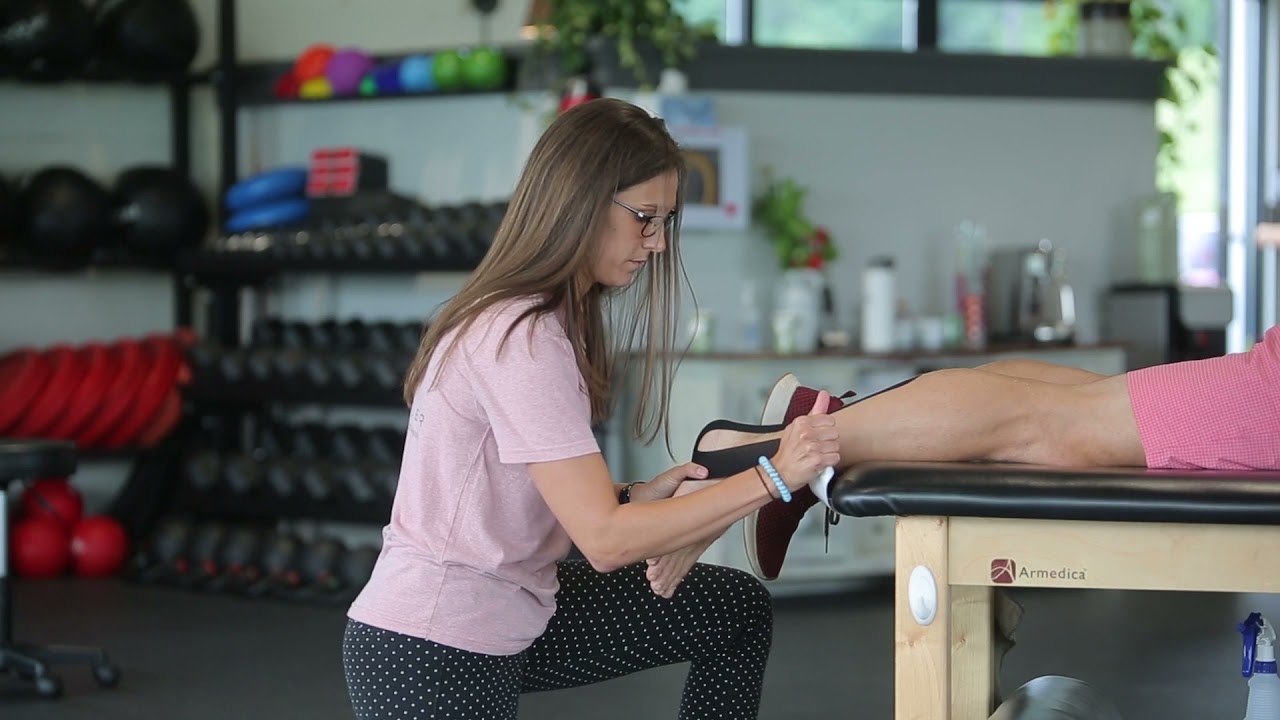
This is a technique that we will employ if you are struggling with plantar fasciitis pain. The purpose of this technique is to alleviate pressure on your heel which can be causing pain and/or discomfort. This is one of the many techniques that we use to help alleviate pain at Wonsettler Physical Therapy. If you or a loved one are dealing with plantar fasciitis pain, please feel free to reach out to us!

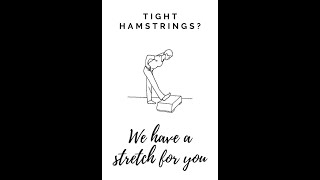
Hamstring Stretching, Elevated

Do you have a difficult time sitting cross-legged? Do you struggle with pain in or around your hip?

Difficulty touching your toes?

Feel your hamstrings are ‘tight’?

If you answered yes to any of these questions, there is a good chance that at least part of the issue could be limited hip mobility on one side or both. Having a limitation in your hips ability to move can cause lots of problems, including issues with walking and moving around with pain.

Fear not, we’re here to give you an exercise that can help loosen up your hips, giving you increased mobility and, hopefully, more freedom to move!

Stop wasting your time with a simple hamstring stretch. Instead, try this 3 Dimensional hamstring/hip stretch to take it to another level and get more out of your stretching, keeping you limber and loose!

Are You a Knuckle or Neck Cracker?

A lot of folks are, including some of our very own WPT Physical Therapists.

BUT, the question is, is this a problem? Well, we’re here to answer that question for you! Reviewing the scientific literature, we find that in a long term prospective study there isn’t any statistically significant difference in a group of knuckle crackers vs. non-crackers as it relates to osteoarthritis.

So, there ya have it! If you’re concerned about that joint cracking habit, don’t be. In our opinion, you’re better off changing a habit that will have a more profound positive effect on your health. Something like a change in your diet, sleep patterns, or a WPT favorite – EXERCISE!